- AHTEG Finalizes Recommendations for Kunming-Montreal Global Biodiversity Framework
The Ad Hoc Technical Expert Group (AHTEG) on Indicators, convened by the CBD, finalized its mandate. The overall purpose of this AHTEG was to provide advice to enable Parties to finalize the monitoring framework for the Kunming-Montreal Global Biodiversity Framework at COP 16 in Cali, Colombia. Activities of the AHTEG
- Ecosystem Services, Biodiversity and the Nature Positive Journey
Recording available. When: JANUARY 25th 2024 Time: 09:00 to 10:15 AM EST (03:00 to 04:14 PM CET) Nature is the basis of the functioning of society, general well-being, and the economy. However, despite warnings from the scientific community for several decades, the degradation of nature is accelerating due to
- GEO BON has a new Executive Secretary! Welcome Katie Millette
As the incoming Executive Secretary, I am excited to continue the momentum that GEO BON has generated over its three years in Montreal. I have been lucky to have learned from Adriana Radulovici—our departing Executive Secretary—over the two years I spent as GEO BON’s Science Officer. I am very happy
- EcoCode – Modelling Life on Earth
The EcoCode working group aims to synthesize, integrate and advance modelling efforts in support of the GEO-BON mission and to push for an international effort to project biodiversity responses to environmental changes...

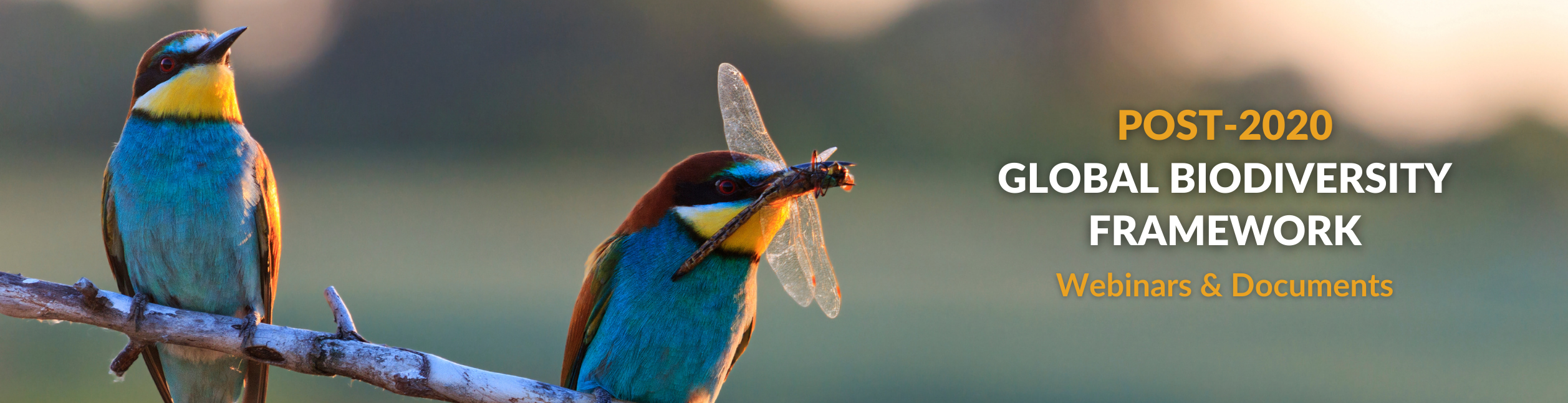

 The Ad Hoc Technical Expert Group (AHTEG) on Indicators, convened by the CBD, finalized its mandate. The overall purpose of this AHTEG was to provide advice to enable Parties to finalize the monitoring framework for the Kunming-Montreal Global Biodiversity Framework at COP 16 in Cali, Colombia. Activities of the AHTEG
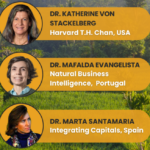 Recording available. When: JANUARY 25th 2024 Time: 09:00 to 10:15 AM EST (03:00 to 04:14 PM CET) Nature is the basis of the functioning of society, general well-being, and the economy. However, despite warnings from the scientific community for several decades, the degradation of nature is accelerating due to
 As the incoming Executive Secretary, I am excited to continue the momentum that GEO BON has generated over its three years in Montreal. I have been lucky to have learned from Adriana Radulovici—our departing Executive Secretary—over the two years I spent as GEO BON’s Science Officer. I am very happy
 The EcoCode working group aims to synthesize, integrate and advance modelling efforts in support of the GEO-BON mission and to push for an international effort to project biodiversity responses to environmental changes...